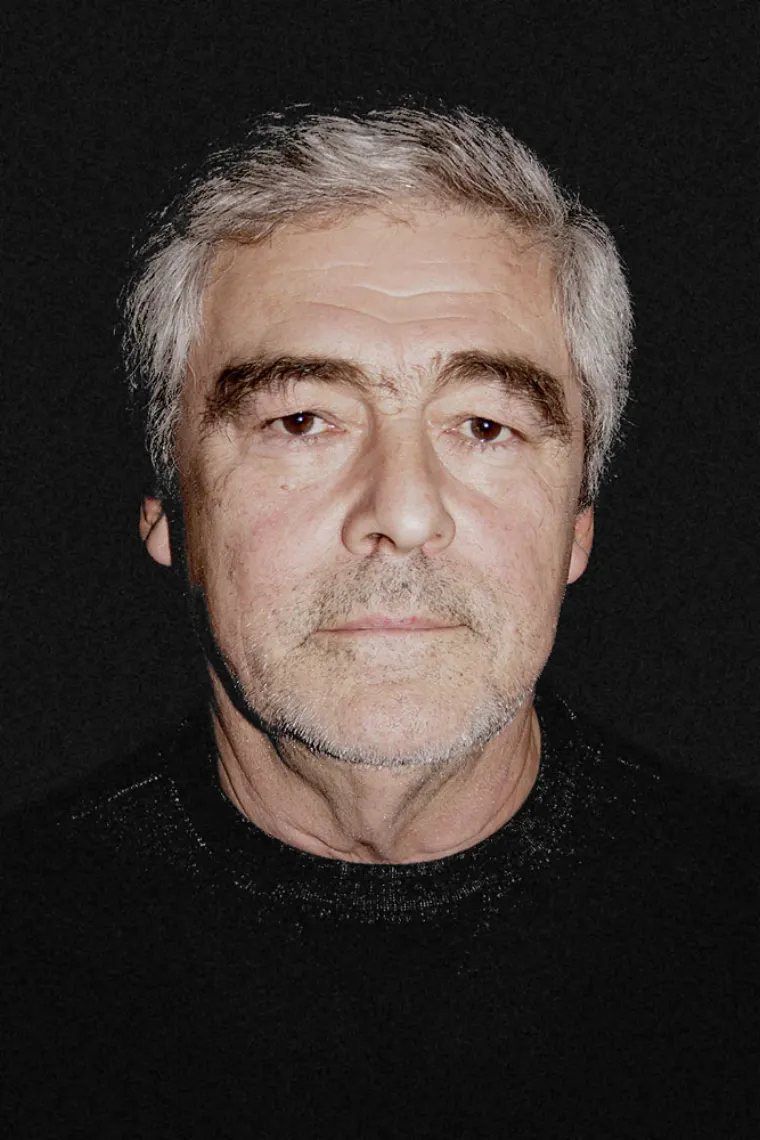
Actor
Leszek Teleszyński
b. 1947
Bogusław Radziwiłł in The Deluge – Kmicic's screen adversary, with a real political history distinct from the novel's plot.
Bogusław on screen
Leszek Teleszyński played Bogusław Radziwiłł, a member of a powerful magnate family and an adversary of Andrzej Kmicic1. Through this character, political betrayal also becomes a personal conflict: Bogusław exploits Kmicic's predicament, while his interest in Oleńka sharpens the rivalry. His relationships with Kmicic and Oleńka, however, belong to Sienkiewicz's story, not to the documented biography of the prince2.
A historical prince in a fictional plot
Bogusław Radziwiłł was a real person. His name appears in connection with the Treaty of Radnot of December 1656, concerning a proposed partition of the Commonwealth by its enemies3. This history helps explain his association with the Swedish side in the novel and film. It does not establish the fictional conversations, motives or clashes with Kmicic as fact. Teleszyński portrays a historical figure filtered through literature.
The actor and the part
The Deluge belongs to the early period of Teleszyński's career; his filmography also includes Hoffman's Trędowata (1976)4. The actor said he did not want Bogusław to be an unambiguous villain. He tried to leave the character some charm, finding an entirely hostile figure less interesting to play5.
A duel the horses could not perform
Hoffman recalled a mounted clash between Bogusław and Kmicic, eventually filmed at an airfield in Łódź. The crew first shot the actors on horseback and close-ups of the horses' heads. For the tight shots in which the opponents had to come almost together, the director said he carried each actor in turn on his back while a stunt performer supported the other. Editing joined the shots because the horses could not safely come so close6.
Passion beyond a ready-made label
In a 1999 statement republished by Rzeczpospolita in 2012, Teleszyński said that winning viewers’ sympathy mattered to him. He wanted to portray Bogusław as a man driven by passion, capable of extreme actions for the woman he loved7.
In the same article, Braunek recalled his ability to give charm even to a villain. Teleszyński also discussed typecasting: his appearance encouraged directors to repeat similar offers8. Bogusław shows that screen persona alongside an attempt to make it more complex.
Notes
- Potop, Łódź: Państwowa Wyższa Szkoła Filmowa, Telewizyjna i Teatralna im. Leona Schillera w Łodzi (filmpolski.pl), cast credits
- Henryk Sienkiewicz, Potop, Fundacja Nowoczesna Polska (Wolne Lektury), 2009–2010, volume II
- Traktat w Radnot, Oś czasu, Warszawa: Muzeum Wojska Polskiego w Warszawie
- Leszek Teleszyński, Warszawa: Stowarzyszenie Filmowców Polskich, filmography
- Potop / Potop Redivivus, Warszawa: Filmoteka Narodowa / Google Arts & Culture, 2014, Teleszyński's account
- Potop / Potop Redivivus, Warszawa: Filmoteka Narodowa / Google Arts & Culture, 2014, Hoffman's recollection of the duel
- Jan Bończa-Szabłowski; wypowiedzi Leszka Teleszyńskiego i Małgorzaty Braunek, Warunki do gry, Rzeczpospolita, 2012, actor’s testimony
- Jan Bończa-Szabłowski; wypowiedzi Leszka Teleszyńskiego i Małgorzaty Braunek, Warunki do gry, Rzeczpospolita, 2012, Braunek and typecasting
Explore further
Related
Role
- Bogusław Radziwiłł in the novel Historical figure, fictionalized
Sources for this page
- Potop, Łódź: Państwowa Wyższa Szkoła Filmowa, Telewizyjna i Teatralna im. Leona Schillera w Łodzi (filmpolski.pl) (Reference work)
- Henryk Sienkiewicz, Potop, Fundacja Nowoczesna Polska (Wolne Lektury), 2009–2010 (Primary source)
- Traktat w Radnot, Oś czasu, Warszawa: Muzeum Wojska Polskiego w Warszawie (Institution)
- Leszek Teleszyński, Warszawa: Stowarzyszenie Filmowców Polskich (Institution)
- Potop / Potop Redivivus, Warszawa: Filmoteka Narodowa / Google Arts & Culture, 2014 (Academic study)
- Jan Bończa-Szabłowski; wypowiedzi Leszka Teleszyńskiego i Małgorzaty Braunek, Warunki do gry, Rzeczpospolita, 2012 (Primary source)